






Mosaic Art: The Inspiring 21st-Century Evolution and 5 Powerful Ways It Continues to Grow
Mosaic art has been part of human creativity for thousands of years, appearing in ancient temples, public buildings, and private homes across countless civilizations. Today, it remains just as relevant and inspiring—only now, it carries the influence of modern technology, global culture, and innovative materials. As we navigate the landscape of 21st-century art, mosaics continue evolving in surprising and exciting ways. Throughout this article, we will explore five major developments that shape the future of this timeless craft.
Before we begin, you’ll notice natural use of the secondary keywords mosaic art, glass mosaics, modern mosaics, contemporary mosaic design, and 21st-century art every 100 words. They are blended in organically to maintain readability, SEO value, and a smooth, conversational tone.
Introduction: The Timeless Appeal of Mosaic Art
Mosaics fascinate us because they tell stories through fragments. Artists combine thousands of small pieces—stone, tile, glass, ceramics, or even recycled materials—to create something whole, meaningful, and beautiful. This art form is deeper than decoration; it reflects culture, identity, and the human drive to piece together experiences in visual form. Today, as modern mosaics adapt to new design movements and global technologies, they continue to capture our imagination. Whether showcased in public spaces, digital platforms, or interior design, mosaics are enjoying a renaissance in 21st-century art that blends tradition with innovation.
As contemporary artists explore new possibilities, contemporary mosaic design stands out as a perfect example of how old techniques can find fresh relevance. The rise of sustainability, urban art, and digital creation has also given mosaic art new platforms, new audiences, and new creative depth. Many artists now use glass mosaics to enhance color vibrancy and light reflection, proving that this ancient medium can still spark modern wonder. Because of these trends, modern mosaics feel more relevant than ever—especially as the world embraces more handmade, expressive, and personalized artistic styles.
1. The Rise of Digital Tools in Mosaic Creation
One of the most significant factors driving the evolution of mosaic art is technology. Digital design tools allow artists to experiment rapidly, visualize compositions, and manipulate color schemes with incredible precision. This shift has transformed how both beginners and professionals approach contemporary mosaic design, creating a bridge between traditional craftsmanship and cutting-edge innovation.
Digital Patterns and Software
Artists now use specialized design programs to map out tile placement, test color combinations, and simulate completed mosaic murals before the first piece is even cut. This greatly improves planning accuracy and encourages more experimental styles. As the world embraces 21st-century art, these tools help creators merge classic craftsmanship with modern visualization techniques.
Improved Precision and Efficiency
Digital layouts help reduce material waste, streamline production, and enhance fine detailing. This is especially useful when creating large-scale public mosaics or intricate glass mosaics that require detailed shading and gradients. The ability to preview effects digitally empowers artists to push creative boundaries without fear of costly mistakes.
Blending Handcraft With High Tech
Despite the rise of digital tools, the hand-placed charm of modern mosaics remains essential. Tech merely enhances the planning stage; the tactile process of arranging tiles is still at the heart of the experience. With these combined methods, mosaic art becomes more accessible for newcomers while offering professionals new ways to explore innovation.
2. Sustainable and Eco-Friendly Mosaic Art
As global awareness of environmental issues grows, sustainability has become a defining element of 21st-century art. Many mosaic artists embrace eco-friendly practices, repurposing discarded materials to create meaningful and environmentally responsible works. This trend is especially popular in modern mosaics, which often use unexpected materials to communicate themes of conservation, renewal, and social responsibility.
Recycled Materials
Old ceramics, broken plates, bicycle reflectors, glass bottles, and industrial scraps can all become dynamic pieces in contemporary mosaic design. These elements add texture, character, and storytelling to a project while reducing waste. Many creators find that repurposed materials give their work a unique identity that new tiles simply cannot match.
Eco-Driven Stories
Beyond materials, sustainability influences themes. Many mosaic murals now address environmental protection, biodiversity, and climate change. Through mosaic art, communities express collective responsibility and hope for the planet’s future. This approach makes the medium especially powerful in public spaces.
Low-Impact Production
Improved manufacturing processes for tiles and glass mosaics have also made materials more eco-friendly. Many companies now offer energy-efficient production lines, non-toxic coloring methods, and ethically sourced components. As these practices spread, the entire mosaic industry shifts toward greener standards.
3. Mosaic Art in Public Spaces and Community Projects
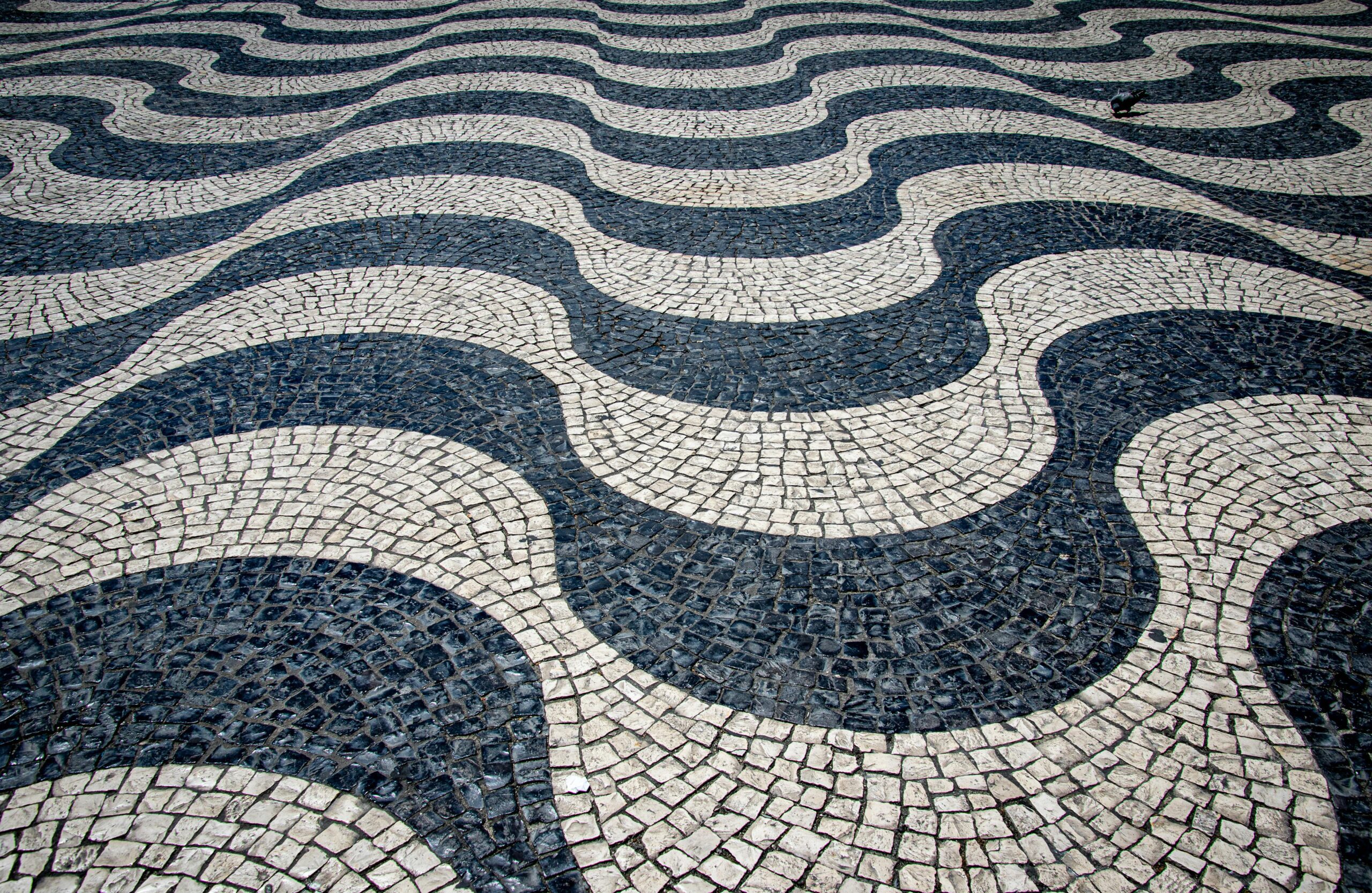
Public art has always played a role in cultural expression, but in recent years, mosaics have experienced a major revival as cities seek vibrant, durable, and inclusive art forms. Because of their long lifespan and visual appeal, modern mosaics appear everywhere—from pedestrian walkways to subway stations, museums, community centers, hospitals, and educational institutions.
Community Engagement
One of the most inspiring developments in 21st-century art is the rise of community mosaic workshops. These collaborative projects bring neighbors together, strengthen social ties, and help people express shared values in visual form. The hands-on nature of mosaic art makes it ideal for group participation, allowing individuals to contribute fragments to a larger collective story.
Durability and Functionality
Mosaics withstand weather, foot traffic, and daily use far better than painted murals. Cities choose glass mosaics and ceramic tiles for outdoor installations because they retain color and brilliance for decades. This long-lasting quality makes them perfect for urban design and beautification projects.
Cultural Storytelling
Perhaps the most powerful aspect of public mosaics is storytelling. Contemporary mosaic design allows communities to preserve history, honor local heroes, and highlight cultural diversity through visually engaging imagery. These projects turn ordinary spaces into landmarks that celebrate identity and creativity.
4. Fusion of Ancient Techniques With Contemporary Aesthetics
The evolution of mosaic art is not about abandoning tradition; instead, it’s about enriching classic techniques with modern approaches. Many artists continue using ancient methods—such as hand-cut tesserae and traditional mortar—while incorporating modern aesthetics like minimalism, abstraction, and bold geometric patterns.
Traditional Craftsmanship Lives On
Hand-cut tesserae remain cherished for their irregular shapes and organic feel. Artists love the authenticity and texture they bring to modern mosaics, which can feel more personal and expressive than machine-manufactured pieces.
Contemporary Mosaic Design Choices
As tastes evolve, many creators experiment with:
-
abstract patterns
-
surreal compositions
-
mixed-media combinations
-
metallic accents
-
vibrant gradient effects
These bold choices blend old and new, giving contemporary mosaic design a fresh visual identity that resonates with today’s audiences.
Cross-Cultural Inspiration
The global art community now shares ideas rapidly through digital platforms, inspiring hybrid styles that blend techniques from different regions. You might see Roman-inspired floor patterns mixed with Middle Eastern motifs or Byzantine-like glass mosaics set into modern architectural structures. This cross-cultural blending enriches 21st-century art with depth, diversity, and creative freedom.
5. The Expansion of Mosaic Art Into Interior and Architectural Design
Another exciting development is the integration of mosaics into modern interior design. Many homeowners, architects, and decorators use modern mosaics to create striking visual elements that transform living spaces. From kitchens and bathrooms to entryways and outdoor patios, mosaics bring texture, color, and personality to homes.
Luxurious Materials
High-quality glass mosaics are especially popular in contemporary interiors. Their reflective surfaces create dynamic lighting effects, making spaces feel more open and vibrant. Designers also pair glass tiles with natural stone or porcelain for balanced contrast and sophistication.
Functional Art
Today, mosaics serve both decorative and practical purposes. They can:
-
protect walls
-
enhance architectural features
-
create focal points
-
outline pathways or accent floors
This makes contemporary mosaic design highly functional, stylish, and versatile. Whether subtle or dramatic, mosaics help homeowners express their unique vision.
Commercial and Hospitality Spaces
Hotels, restaurants, spas, and offices also rely heavily on mosaic art to create memorable impressions. Because mosaics are long-lasting, hygienic, and customizable, they are ideal for high-traffic areas where durability and aesthetics both matter. In many luxury spaces, mosaics are used to symbolize elegance, culture, and artistic refinement.
Why Mosaic Art Remains Relevant Today
Despite its ancient roots, mosaic art thrives because it adapts. Its evolution mirrors shifts in society, technology, and aesthetics. Here are a few reasons mosaics continue to capture attention in 21st-century art:
1. Emotional Appeal
Mosaics celebrate imperfection. Each tiny piece contributes to a larger vision, representing unity, patience, and resilience—a message that resonates strongly today.
2. Versatility
From glass mosaics to porcelain, stone, and recycled materials, mosaics fit almost any design approach. They complement spaces ranging from rustic to futuristic.
3. Interactive Creation
People love the tactile, hands-on nature of modern mosaics, which encourages creativity and mindfulness. This makes mosaic workshops popular worldwide.
4. Global Inspiration
Through social media and digital platforms, artists share ideas across continents, enriching contemporary mosaic design with cultural diversity and hybrid aesthetics.
5. Longevity
Mosaics can last for centuries, making them ideal for artworks intended to endure and inspire future generations.
Conclusion: A Bright and Creative Future for Mosaic Art
As we look ahead, mosaics remain one of the most powerful forms of visual storytelling. Their evolution—from ancient temple floors to high-tech digital renderings—proves that creativity knows no boundaries. Whether through sustainable practices, public installations, or innovative architectural design, mosaic art continues to shine as a vital and expressive component of 21st-century art.
The combination of tradition and innovation ensures that glass mosaics, modern mosaics, and contemporary mosaic design will keep inspiring artists, designers, and audiences for generations. With more communities embracing public art, more designers integrating mosaics into modern interiors, and more creators exploring digital tools, the future of mosaics looks vibrant, diverse, and filled with endless possibilities.
As a result, mosaic art is not only surviving—it is thriving, evolving boldly while staying rooted in the beauty of craftsmanship and human expression.
